Thailand
Thai massage for first-time visitors
Thai massage for first-time visitors works best with practical choices rather than a rushed checklist. This guide prioritises current information, flexibility and respect for local communities.
Understanding Traditional Thai Massage
Traditional Thai massage is an ancient healing practice that blends acupressure, assisted yoga-like stretches, and rhythmic compression along the body’s energy lines. Unlike Western relaxation massages, it typically uses no oils and requires you to wear loose, comfortable clothing provided by the spa. The therapist uses hands, elbows, knees, and feet to apply pressure and guide your body through a sequence of passive stretches. It is an active, dynamic treatment rather than a passive rubdown, often described as both invigorating and deeply restorative.
What to Expect During Your First Session
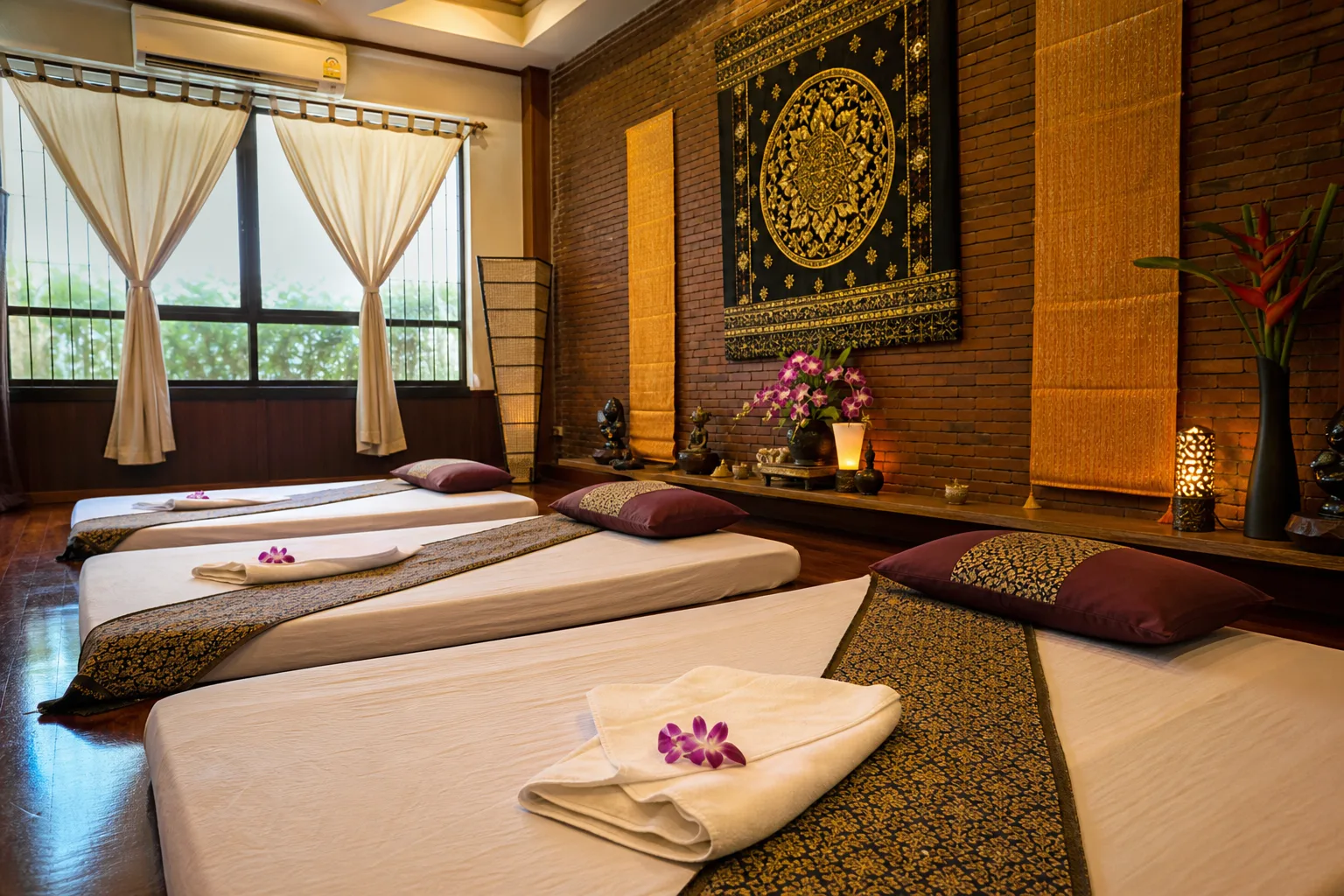
Your session will usually take place on a padded floor mat in a quiet room. After changing into the supplied cotton attire, the therapist will start by pressing along the soles of your feet before working upwards. Expect to be moved into positions that may feel unfamiliar — your limbs will be lifted, your back twisted gently, and your joints mobilized. Communication is important; you should speak up immediately if any stretch feels too intense. The experience is not meant to be painful, though some deep pressure points can be surprisingly tender.
Choosing the Right Type of Thai Massage
Not all treatments labelled “Thai massage” are the same. Traditional Nuad Thai follows the floor-mat, fully-clothed method. However, many spas offer variations that include aromatic oil, hot herbal compresses, or a gentler relaxation focus. First-time visitors should clarify which style is being offered: if you prefer oil and lighter strokes, look for “Thai oil massage” or “relaxation” blends, not traditional Nuad Thai. If you have mobility concerns or simply want a milder introduction, request a soft-pressure session.
Preparing for Your Appointment
Arrive a few minutes early to fill out any health forms and settle in. Avoid a heavy meal just before your massage, but do not arrive hungry either; a light snack an hour earlier is ideal. Showering beforehand is a respectful gesture, as the therapist works in close contact with your skin and clothing. Remove jewellery and leave valuables at your accommodation. Most providers supply secure lockers or a place for your belongings.
Etiquette and Respectful Behaviour
Thai massage culture values quiet respect. Greet your therapist with a slight bow or a warm smile, and keep your voice low during the session. It is common to leave a modest tip if you were satisfied with the service, though it is not compulsory. Avoid touching the therapist inappropriately or making excessive demands; the session follows a traditional sequence that has been refined over generations. If you need the pressure adjusted, a simple “softer” or “stronger” accompanied by pointing works well.
Health and Safety Considerations
Always inform the therapist of any pre-existing conditions, such as recent injuries, herniated discs, high blood pressure, or pregnancy. Certain stretches and deep pressure points may be contraindicated. A professional therapist will modify the session accordingly. If you feel dizzy, nauseous, or in sharp pain, ask to stop immediately. Reputable establishments use clean linens and have documented hygiene practices. First-time visitors should seek out therapists with recognised certifications, which are often displayed at the reception or verifiable through official wellness associations.
Accessibility and Limitations
Thai massage is not suitable for everyone. The floor-based positions can be challenging for people with limited mobility, severe joint issues, or balance difficulties. While therapists can adapt, the core technique involves kneeling, sitting, and lying on a mat. If you use a wheelchair or have difficulty getting up from the floor, you may need to discuss alternatives in advance. Many spas offer table-based Thai massage for greater accessibility, though this is a modified version. Always disclose your needs when booking, and confirm that the venue can accommodate you safely.
Before You Book: A Quick Checklist
- Confirm the type of massage (traditional mat-based, oil, or herbal compress).
- Check that the therapist holds a current licence or certification from a recognised Thai massage school.
- Read recent reviews focusing on hygiene, communication, and professionalism.
- Ask about the pressure level and state any health conditions clearly.
- Verify the location’s accessibility if you have mobility needs.
- Remember that operational details, pricing, and availability change; consult the venue or official tourism sources for the latest information before your visit.
Keep exploring
About MyThai Editorial Team
Thailand-focused editors committed to practical, respectful and verifiable travel guidance.