Thailand
Rainy-day activities in major Thai destinations
Rainy-day activities in major Thai destinations works best with practical choices rather than a rushed checklist. This guide prioritises current information, flexibility and respect for local communities.
Planning Ahead for Wet Weather
Thailand’s rainy season typically runs from May to October, though patterns vary between the Andaman and Gulf coasts, and sudden downpours can occur at any time of year. Checking a reliable weather app the evening before a planned outing helps you match activities to the forecast. Pack a lightweight rain jacket or compact umbrella, and protect valuables in a dry bag or waterproof phone pouch. Because rain often crowds indoor venues, leaving a little earlier and having a backup itinerary prevents disappointment. Confirm opening days and any unexpected closures directly through an official website or phone call, as published schedules can shift.
Bangkok’s Indoor Cultural Havens
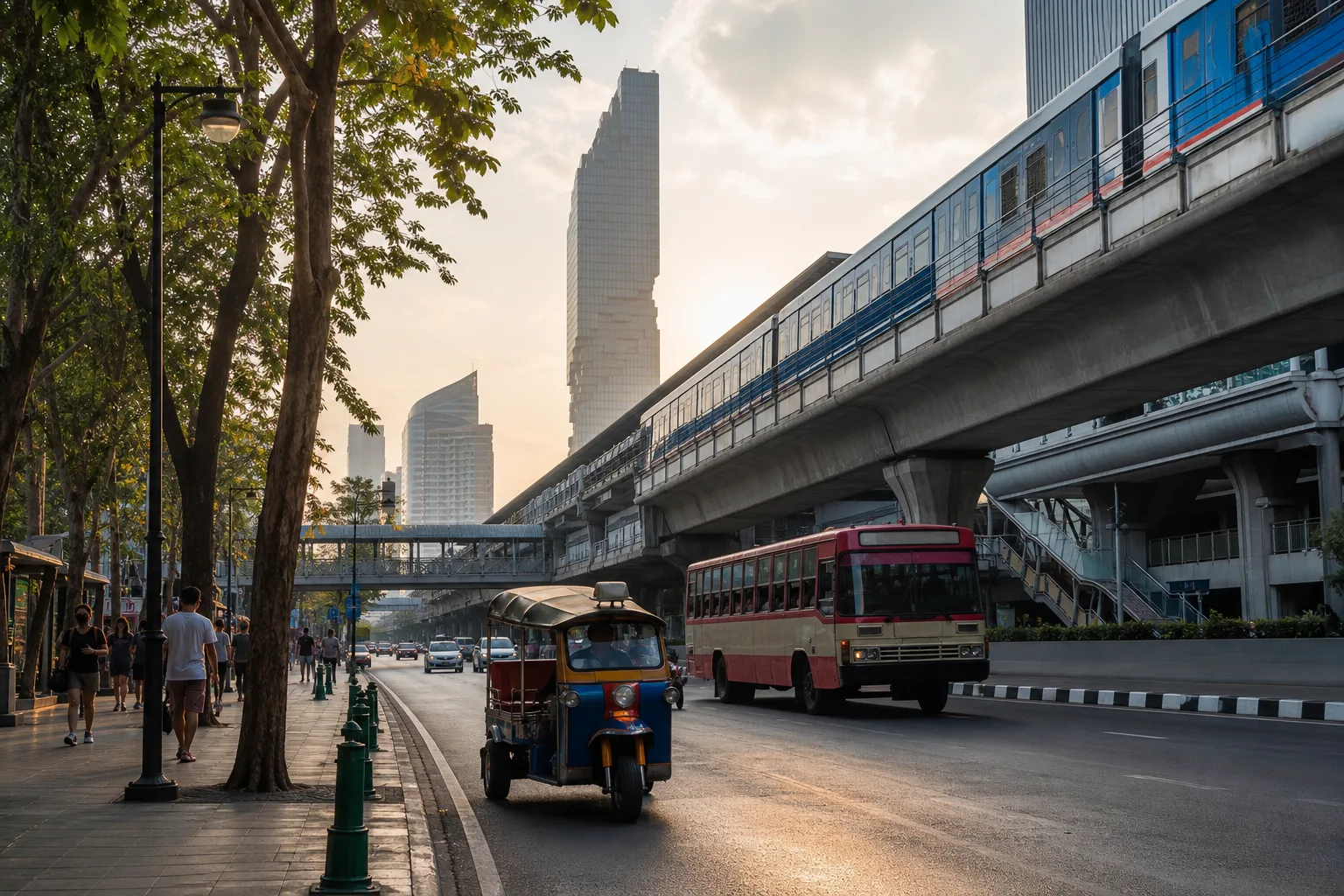
The capital’s heavy showers are an opportunity to explore its deep reservoir of air-conditioned museums, art galleries, and cultural centres. Large shopping complexes offer more than retail; inside you can find virtual reality arcades, cinema halls showing independent films, and sprawling food courts with regional dishes. Traditional Thai puppet theatres and classical dance performances are often staged in covered auditoriums, providing a window into the arts without stepping outside. While many temples have some covered walkways, marble and tile floors become extremely slick, so tread carefully. Respectful dress—shoulders and knees covered—remains essential when entering any sacred hall.
Chiang Mai’s Craft and Wellness Retreats
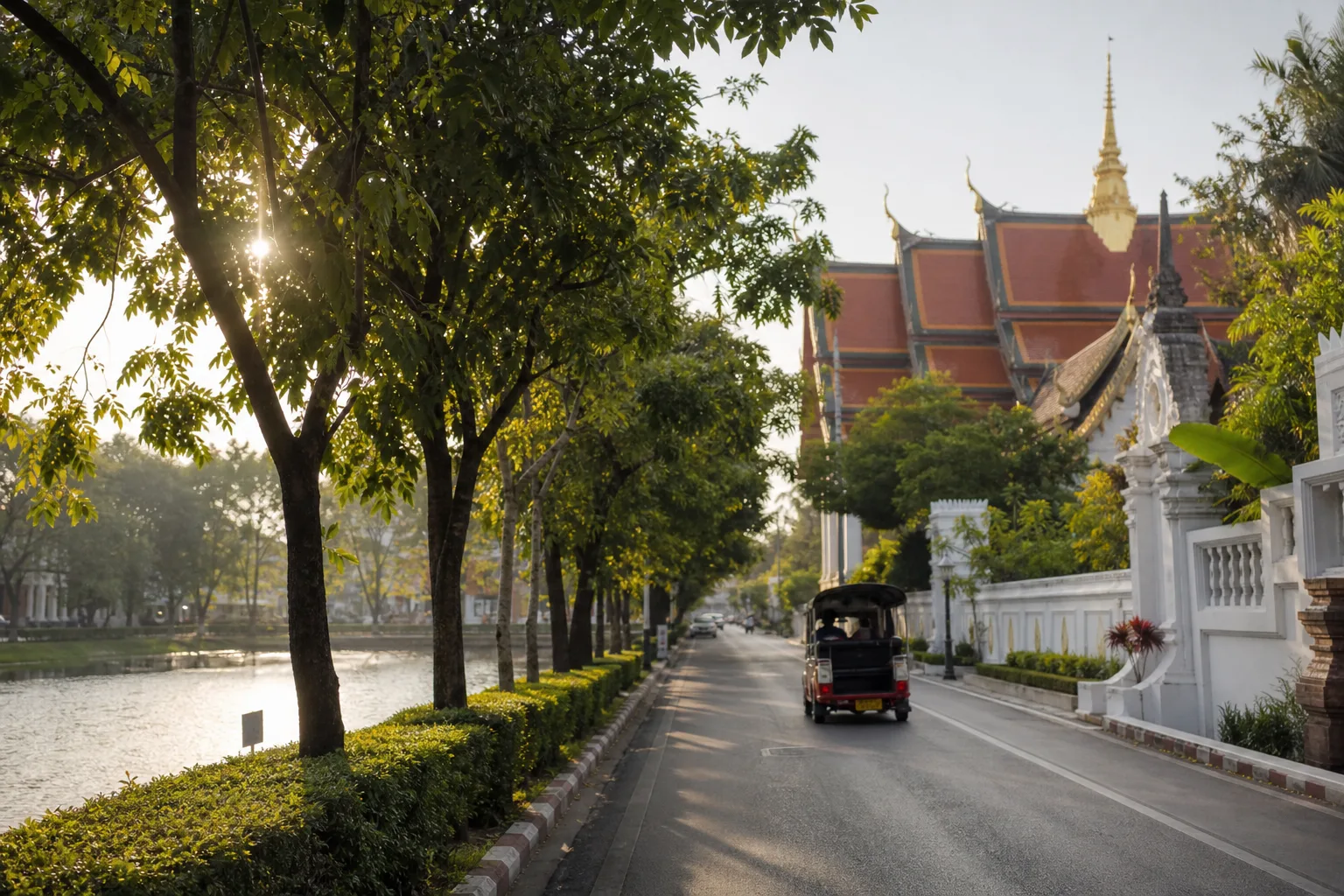
Chiang Mai’s artisan heritage shines on rainy afternoons inside studios where you can try umbrella painting, silver jewellery crafting, or textile weaving under a roof. Bookable workshops often take place in semi-open pavilions that stay dry, keeping you engaged for a couple of hours. The city is also known for its massage and spa schools, where trained therapists offer traditional Thai treatments in serene, covered settings. Small museums focusing on Lanna history and folk life provide a quiet, informative escape. When visiting a workshop, a polite greeting and respecting the craftsperson’s pace go a long way.
Island Escapes Without the Sun in Phuket and Krabi
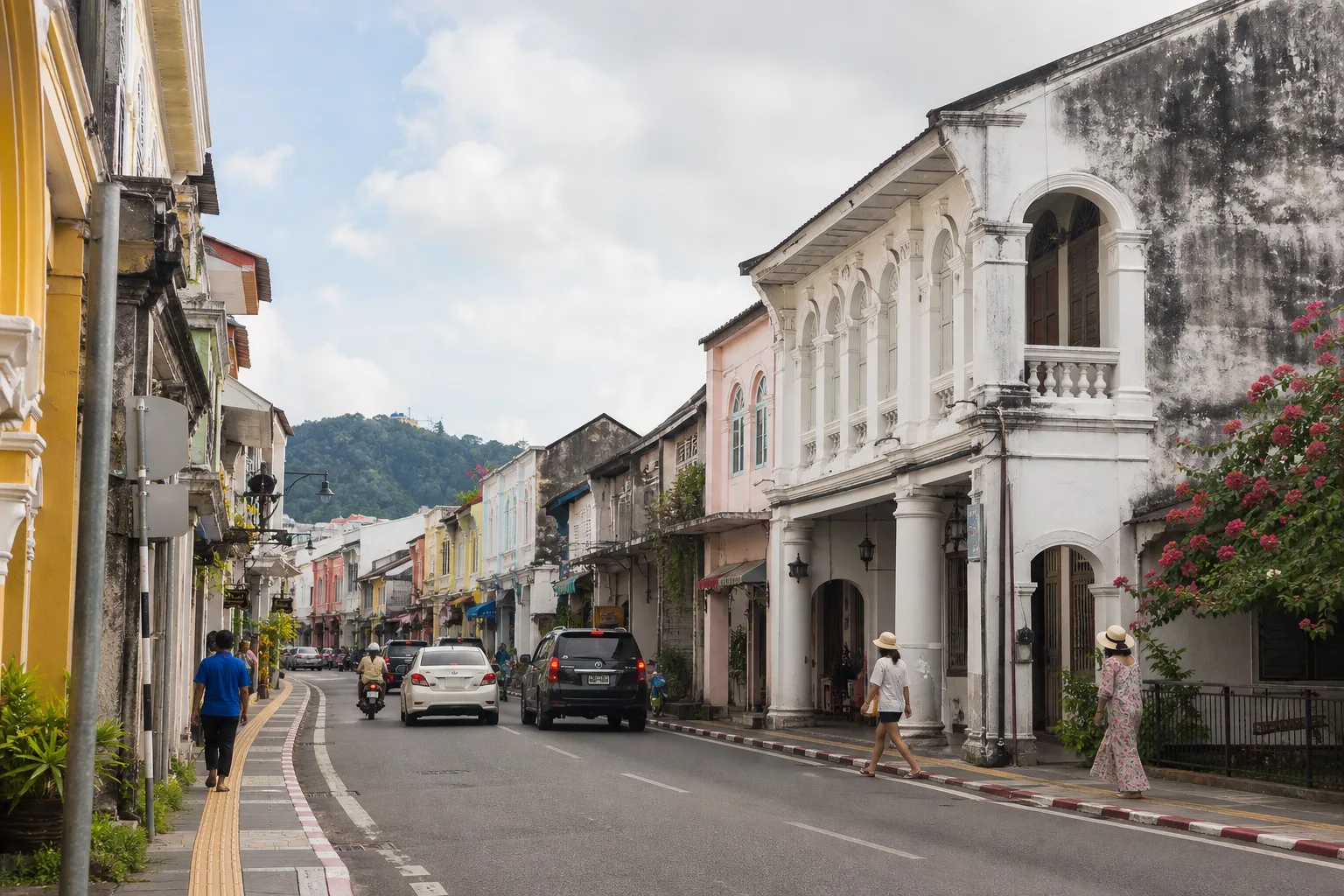
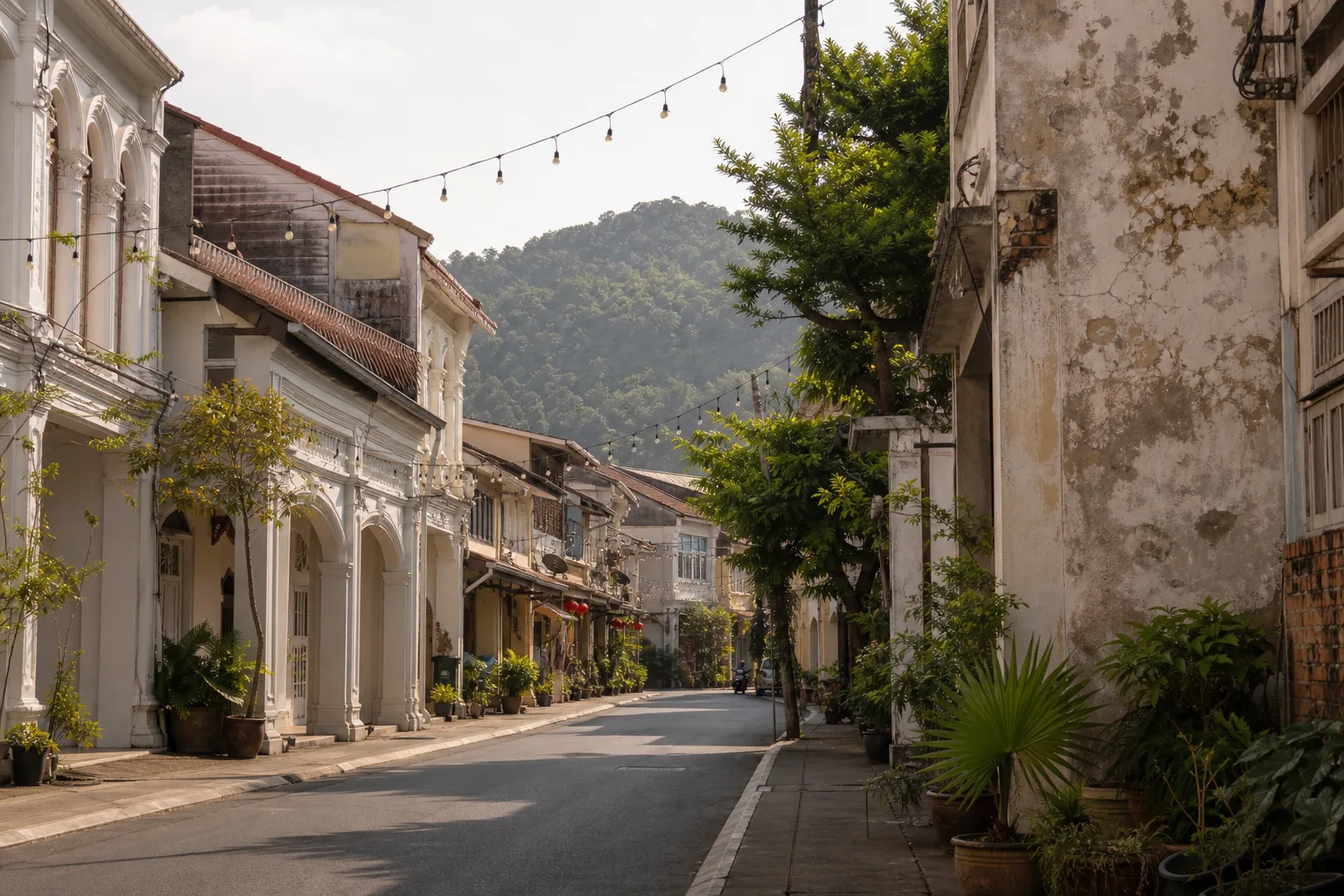
Phuket’s large indoor aquariums and multi-level shopping arcades become natural anchors when the Andaman skies open. Phuket Old Town’s Sino-Portuguese shophouses house cafes and galleries that let you linger over a coffee while rain drums on the tin roofs. In Krabi, cooking schools with covered kitchens teach you to pound curry pastes as the storm passes, and indoor climbing walls provide sporting alternatives. Safety is paramount: never enter the sea during a thunderstorm, as lightning and strong currents pose serious risks. Stay away from exposed viewpoints until conditions clear.
Pattaya’s All-Weather Attractions
Pattaya’s entertainment complexes bunch together air-conditioned mini-golf, interactive 3D art museums, and live performance theatres, making it easy to duck from one to another under awnings. Family-oriented indoor playgrounds and educational discovery centres keep younger visitors occupied for hours. Crowded indoor markets here retain a lively, distinctly Thai character even in the rain. Personal safety in busy entertainment districts means sticking to well-lit areas, watching your belongings, and using registered taxis or ride-hailing apps rather than hopping on the first available motorcycle taxi when roads are wet.
Respecting Local Customs Indoors
Many rain-safe activities—temple visits, palace museums, and traditional performance venues—come with cultural norms that extend beyond simple dress codes. Remove your shoes before entering certain shops, massage rooms, or temple halls, and look for shoe racks as a cue. In spas and wellness centres, a quiet tone is appreciated. Bargaining at indoor markets is acceptable, but keep it good-natured and never demean a seller’s work. Be mindful of photography restrictions inside galleries and sacred spaces; a quick glance for signs or asking staff avoids unintended offence.
Staying Safe During Heavy Rain
Urban flooding can transform familiar streets into hazardous zones within minutes. Avoid wading through floodwater—hidden open drains, sharp debris, and submerged electrical hazards are real dangers. Mall floors and temple tiles become exceptionally slippery; non-slip footwear reduces tumbles. Choose a metered taxi or a ride-share car rather than two-wheeled transport on wet, congested roads. If you are in hilly areas around Chiang Mai or Krabi, check for landslide warnings before travelling and never ignore red-flag advisories on mountain routes.
Final Verification Checklist
Before stepping out, double-check a recent weather radar, local traffic reports, and the attraction’s social media feed for same-day updates on hours or unplanned closures. Call ahead if you need to confirm wheelchair access or the availability of ramps, as many cultural buildings have steps and older design limitations. Ask whether a booking is required for workshops or spa sessions. Pack a small portable charger, download offline map layers, and let someone know your route if you are exploring unfamiliar neighbourhoods in the rain.
Keep exploring
About MyThai Editorial Team
Thailand-focused editors committed to practical, respectful and verifiable travel guidance.