Phuket
First-time visitor's guide to Phuket
First-time visitor's guide to Phuket works best with practical choices rather than a rushed checklist. This guide prioritises current information, flexibility and respect for local communities.
Understanding Phuket’s Geography
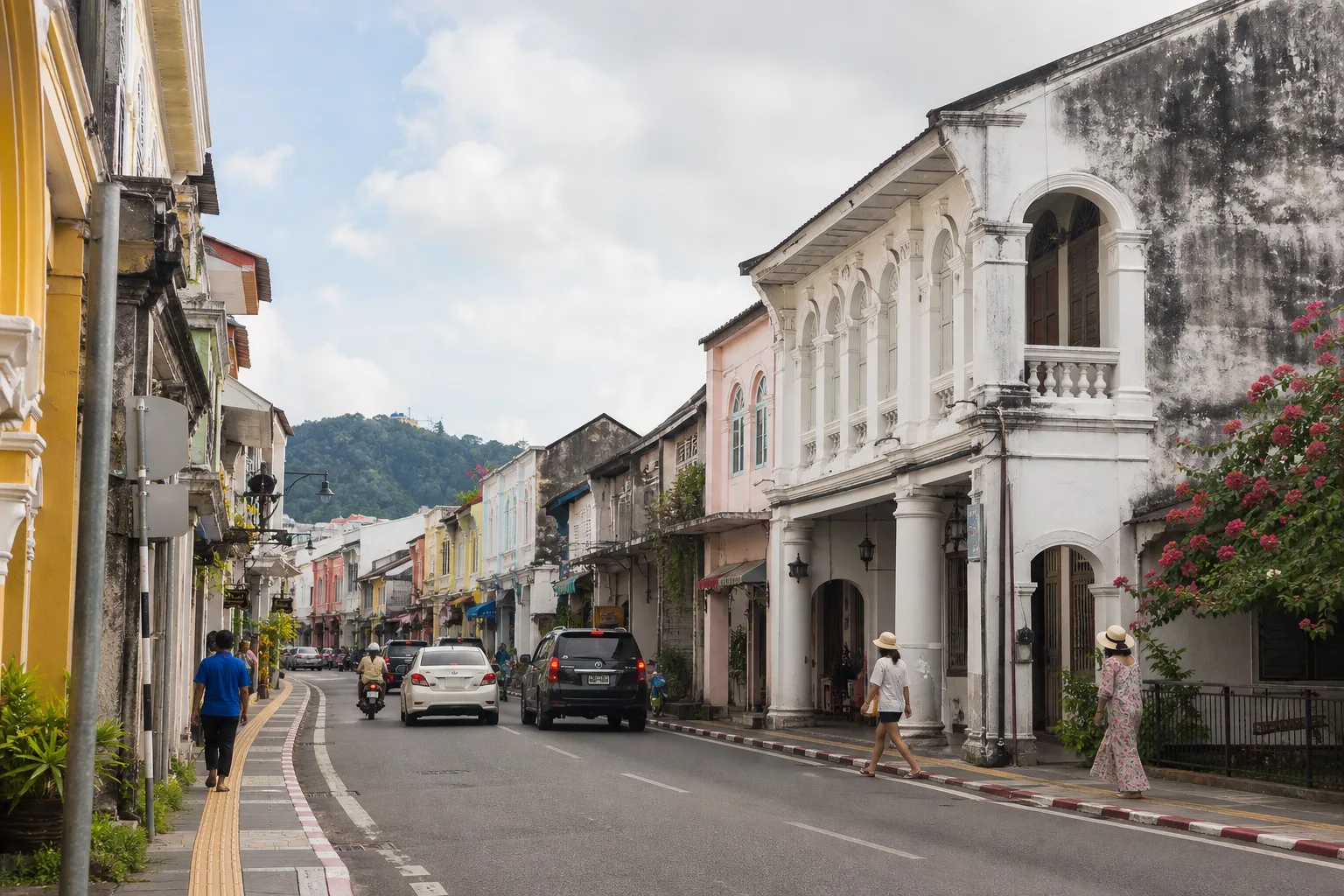
Phuket is Thailand’s largest island, connected to the mainland by a bridge, but its scale often surprises first-time visitors. The west coast is lined with long beaches and calmer waters during the dry season, while the east coast features mangroves and piers for island-hopping. The historic Old Town sits inland, offering a contrast to the coastal resort areas. Distances can be deceptive because winding roads and hills make a 30‑kilometre trip take over an hour. Before you book accommodation, study a map to understand how far your base is from the beaches, markets, and any excursions you plan to take.
When to Visit and What to Pack
The dry season from November to April draws the largest crowds, with sunny skies and calmer seas ideal for boat trips. The monsoon from May to October brings heavy downpours and rougher surf, though many hotels and services remain open. Pack lightweight, breathable clothing, a rain jacket if visiting in the wetter months, and modest attire that covers shoulders and knees for temple visits. Sun protection is essential year‑round, and insect repellent helps during the rainy season when mosquitoes are more active. Always check seasonal weather patterns with official meteorological sources as conditions shift each year.
Getting Around the Island
Public transport on Phuket is limited. Songthaews (converted pickup trucks) follow fixed routes mainly between the main towns and some beaches, but they are not a comprehensive network. Metered taxis are rare and ride‑hailing apps operate, though availability can vary by area. Many visitors rent motorbikes, but road conditions, steep hills, and local driving habits demand caution. An international driving permit is legally required, and insurance coverage should be verified before riding. Always wear a helmet and avoid driving at night if you are unfamiliar with the roads.
Respectful Behaviour and Local Etiquette
Temples and religious sites require visitors to cover their shoulders and knees and remove their shoes before entering. Public displays of affection are best kept modest. A slight bow with palms pressed together, known as the wai, is a respectful greeting, though a smile and a nod are also widely accepted. Avoid touching anyone’s head or pointing your feet at people or sacred objects. When interacting with monks, women should avoid physical contact. Politeness is highly valued, and a calm, patient demeanour goes a long way in any interaction.
Staying Safe and Healthy
Phuket is generally safe, but petty theft can occur on crowded beaches, so never leave valuables unattended. Rip currents are common at many west‑coast beaches during the monsoon; always heed red‑flag warnings and swim only where lifeguards are present. Tap water is not potable, so stick to bottled or filtered water. Medical facilities range from small clinics to international hospitals, but serious emergencies may require transfer to a larger facility. Check your travel insurance covers medical evacuation and motorbike‑related incidents before you travel.
Accessibility and Practical Limitations
Phuket’s terrain and infrastructure present challenges for travellers with mobility needs. Many beaches lack wheelchair‑accessible paths, and older buildings often have steps without ramps. Some newer hotels and shopping centres do offer accessible facilities, but this is not consistent. Pavements can be narrow, uneven, or obstructed, so advance research is crucial. If you require specific accessibility features, contact properties directly and confirm current conditions, as details change over time.
Final Pre‑Trip Checklist
Before departure, verify your passport has at least six months’ validity remaining. Check visa requirements for your nationality, as rules can change without notice. Download offline maps and a translation app, because mobile data can be unreliable in remote spots. Save the contact details of your country’s consulate and your travel insurer. Finally, confirm all bookings a few days before you travel and check any local announcements about beach closures, weather warnings, or attraction maintenance, because operational details shift seasonally and are best confirmed through official channels or directly with venues.
Keep exploring
About MyThai Editorial Team
Thailand-focused editors committed to practical, respectful and verifiable travel guidance.