
Bangkok · Thailand
The Delivery Dilemma: How Grab Thailand’s Shift Is Leaving Drivers, Restaurants and Customers Out in the Cold
When one local food order becomes a multi-stop journey, the customer, rider and restaurant can all lose. A closer look at the incentives behind cold, delayed deliveries in Thailand.
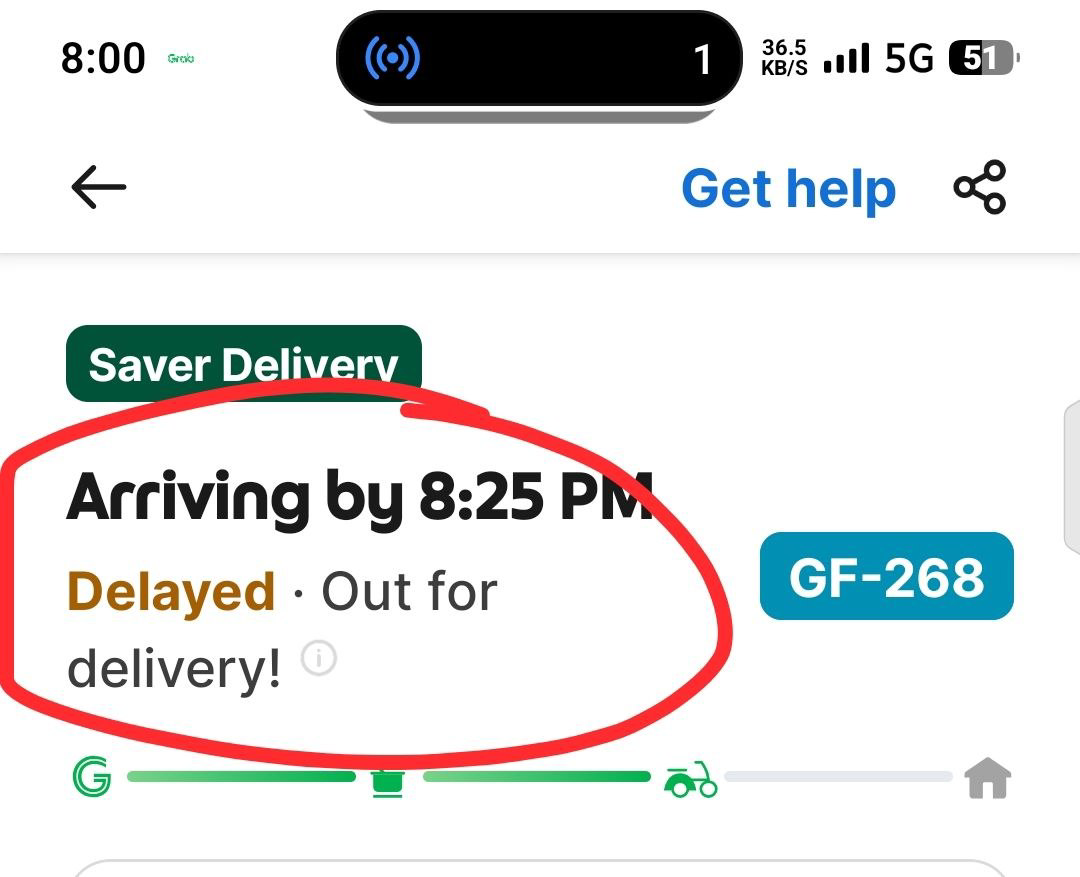
For years, food-delivery apps promised a frictionless ideal: a favourite local meal brought straight to the door while it was still hot, all with a few taps. In Thailand, where street-food culture meets long working days and congested city streets, services such as GrabFood Thailand (opens in a new tab) quickly became part of everyday life.
But when one local order is delayed, bundled with several others and delivered cold, that promise starts to unravel. Customers blame drivers, drivers absorb the frustration and lose tips, and restaurants risk poor reviews for food that may have left the kitchen in perfect condition. The problem is not necessarily one person making a bad decision; it is a chain designed around platform efficiency that can fail everyone else at once.
The anatomy of a delayed delivery
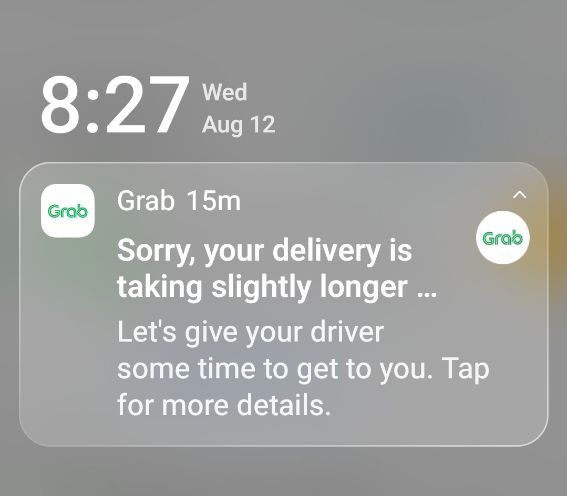
A familiar complaint from customers in busy urban areas such as Bangkok follows a frustrating domino effect:
- The kitchen bottleneck. An order is placed with a 30-minute estimate, but a restaurant rush, a shortage of available riders or delayed assignment means it waits much longer before leaving.
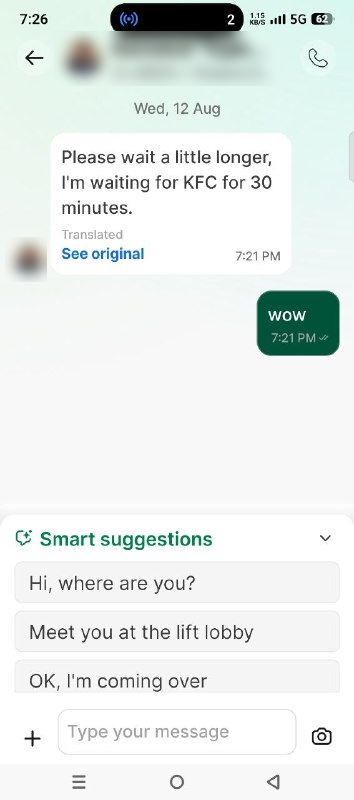
- The multi-drop maze. The rider may be handling more than one collection or delivery. A second pickup can add another queue before the first customer’s meal starts moving in their direction.
- The scenic route. Other drop-offs and Bangkok traffic turn a short journey into a long one. Food that depends on heat and texture continues to deteriorate in transit.
- The arrival. A promised half-hour meal becomes an hour-long wait, and crispy, fresh food arrives lukewarm, soggy or cold.
Grab itself describes Standard, Priority and Saver as distinct delivery choices on its official Thailand service page (opens in a new tab). That choice can be useful, but it also raises a reasonable consumer question: when did dependable delivery begin to feel like a premium tier rather than the baseline?
A lose-lose-lose scenario
When the chain breaks down, the consequences do not stop at the customer’s front door.
1. The customer loses
Customers pay menu prices plus delivery and service charges, yet may receive a meal that no longer resembles the restaurant experience they ordered. Frustration over the wait can also mean no tip for the rider, even when the delay was outside the rider’s control. Paying more for Priority can then feel less like an upgrade and more like buying back the direct, timely service customers expected in the first place.
2. The driver loses
Delivery partners work within a system of variable demand, fares, traffic, restaurant queues and weather. Taking more than one order can be a rational way to make the shift worthwhile, but it also multiplies the chances of delay. Riders then become the visible face of a routing decision they may not control, absorbing complaints, losing tips and carrying the cost of fuel and vehicle wear.
3. The restaurant loses
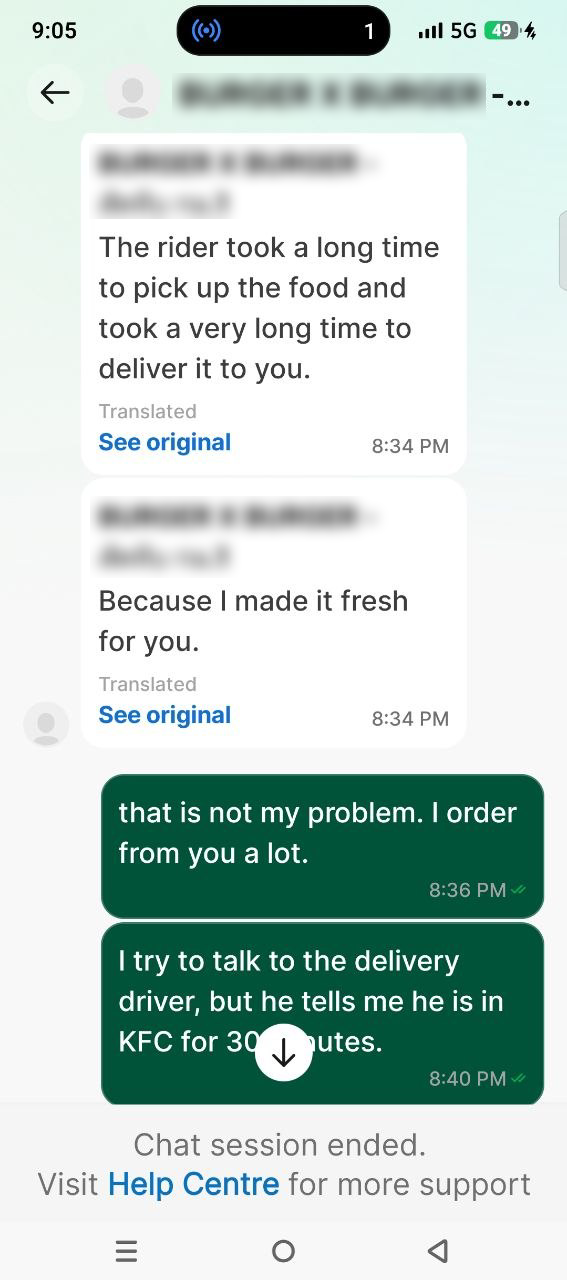
Restaurants have the least control once a sealed order leaves the counter, but their name remains on the box. A one-star review for cold noodles or congealed curry may punish a kitchen that prepared the food correctly. Over time, delivery failures can cost an independent restaurant repeat customers and damage a reputation built over years. The platform arranged the journey, yet the restaurant’s review score carries the scar.
The only consistent winner: the platform
Batching can move more orders with fewer journeys. That means more transactions can be completed through the same network while the cost of a bad experience lands elsewhere. The customer receives cold food, the restaurant faces the bad review and lost repeat business, and an overworked rider loses the tip. Grab still sits at the centre of the transaction.
This is the familiar danger when a big technology platform becomes the default route between local businesses and their customers. It takes a fee, controls the ordering relationship and sets the rules of the journey, but the people with the least control are left to repair the damage when that journey fails. The benefits are concentrated; the anger and reputational cost are distributed among everyone else.
The concern is not that platforms should ignore efficiency. It is that efficiency should not be measured only in completed orders per trip. Food temperature, realistic arrival windows, rider waiting time and the number of avoidable detours all belong in the calculation. If a saving for the platform creates an angry customer, an unfair review and a rider who has worked harder for less, it is not a genuine efficiency—it is a transferred cost.
Consumers who want to compare the service for themselves can also view the official Grab Thailand app page (opens in a new tab). The most useful comparison is made at checkout: the same restaurant, the same address, the full price and the live arrival estimate.
What needs to change
Thailand’s delivery economy works only when customers, riders and restaurants can all trust it. Platforms can rebuild that trust by limiting incompatible batches, showing customers when an order is part of a multi-stop route, paying riders fairly for every extra wait and detour, and giving restaurants a meaningful way to challenge reviews caused by delivery delays.
Thailand lives on its belly—let’s keep it local
Thailand’s food culture is too important to be reduced to a cold parcel moving through an opaque algorithm. Exceptional food is found on almost every corner: family restaurants, market stalls, neighbourhood kitchens and cooks who have spent decades perfecting one dish. We should be enjoying everything Thailand has to offer, not watching that experience deteriorate between a fresh kitchen and our front door.
Whenever you can, buy directly from a local restaurant. Call or message the business, collect the order yourself, dine in, or use the restaurant’s own delivery service. Direct ordering keeps more of the money with the people who cooked the food, protects them from reviews caused by a third party and gives you a clearer line of communication if something goes wrong.
When ordering direct is not practical, customers still have leverage: compare the alternatives and choose the service offering the best combination of price, route and arrival time for that order. Do not let convenience become automatic loyalty to a platform that is no longer serving you, the rider or the restaurant well.
Ready for a better delivery option?
Try LINE MAN for your next meal
Check LINE MAN before you order and compare the live total and ETA. You may find a cheaper, faster option—with a delivery experience that works better for diners, restaurants and riders.
Open the LINE MAN app (opens the app or app store in a new tab)Price, ETA, availability and individual rider experiences vary by restaurant, location and time. LINE MAN’s official site cites a 2025 INTAGE Thailand survey for its lowest-delivery-fee claim; compare the final checkout details for your order.
Keep exploring
About MyThai Editorial Team
Thailand-focused editors committed to practical, respectful and verifiable travel guidance.


