Chiang Mai
Chiang Mai markets and local food
Chiang Mai markets and local food works best with practical choices rather than a rushed checklist. This guide prioritises current information, flexibility and respect for local communities.
The Heart of Chiang Mai’s Food Culture
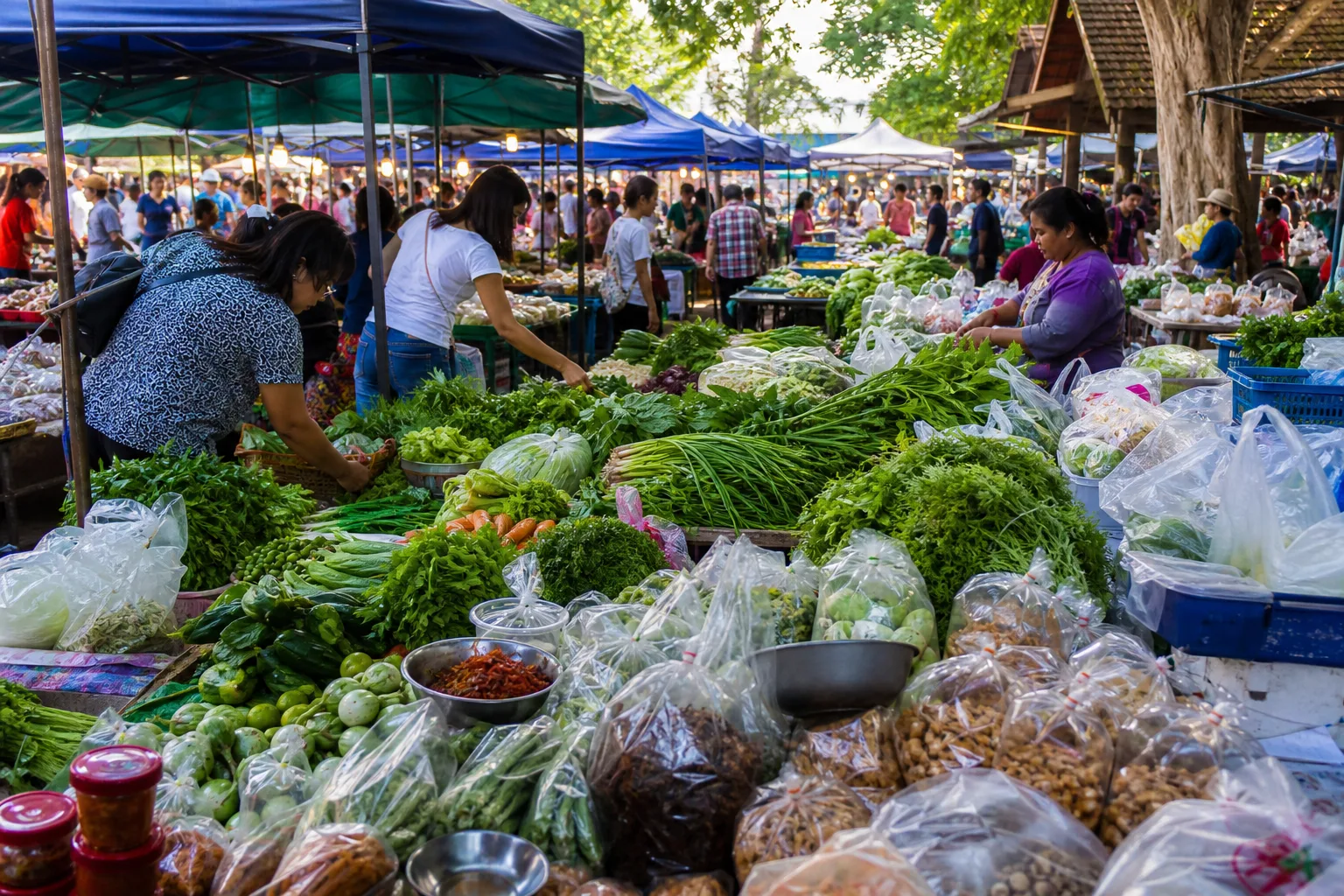
Chiang Mai’s markets are not mere tourist stops; they are the living pantry of the city, where Lanna culinary traditions meet daily life. From dawn until late evening, different markets wake and sleep, each revealing a distinct layer of northern Thai food culture. For the curious eater, they offer a way to taste the region’s slow-cooked curries, herbaceous sausages, and fermented relishes in their most honest setting. The rhythm here is set by seasonal ingredients and generations of family vendors, making every stroll an edible education.
A Taste of Lanna: What to Look For
Local food in Chiang Mai stands apart from central Thai cuisine. Look for nam phrik ong, a tomato-minced pork dip served with fresh vegetables and crackling. Sai ua, the grilled herbal sausage fragrant with lemongrass and kaffir lime, sizzles on charcoal beside stalls. Khao soi, the coconut curry noodle soup, appears in countless iterations. Steamed sticky rice, the region’s staple, accompanies grilled meats, bamboo shoot salads, and fiery jaew dipping sauces. Seasonal fruits, from mangosteen to longan, provide sweet relief. Keep an eye out for kanom jeen nam ngiao, a spicy noodle dish with deep Shan influences, and freshly made coconut pancakes that vanish from griddles in seconds.
Morning Markets: Fresh Produce and Breakfast Rituals
As the city stirs, wet markets open their doors to cooks and early risers. These spaces brim with mounds of fresh herbs, river fish, and just-slaughtered poultry. Small breakfast stalls sell bowls of congee, kao soi, and skewers of grilled pork with sticky rice. Observing the quiet commerce of locals buying ingredients for the day’s meals is an insight into home kitchens. Arrive before 9 am to catch the liveliest exchange and the widest choice of prepared foods, though specific operating hours vary and should be checked through local updates.
Night Markets and Walking Streets: A Feast After Dark
When temperatures ease, evening markets transform lanes into open-air restaurants. Walking streets, often held on regular weekly schedules, fill with handcrafted goods and an overwhelming variety of cooked snacks. Plastic stools cluster around communal tables where strangers share bunches of herbs and grilled tilapia. Portions are typically small, allowing you to taste widely. Note that some nighttime bazaars lean toward tourist-friendly offerings; for the deepest local experience, follow where residents queue. Schedules for these events can shift with holidays, so confirm current days and locations through official tourism channels before planning your evening.
Respectful Habits for Market-Goers
A few gentle customs go a long way. Dress modestly, especially when visiting markets near temples. When taking photographs of food or vendors, a smile and a slight nod of permission are appreciated. Remove your shoes if you sit on floor mats in a dedicated eating area. Pay in small bills, as vendors rarely carry large change. Speak softly and avoid aggressive haggling; food prices are already low, and the exchange is a respectful one. Dispose of waste properly, using bins or returning skewers and bowls to the stall rather than leaving them on the ground.
Planning Your Market Visits Strategically
Most markets have an ebb and flow that rewards flexible planning. Morning markets fade by noon, while night venues come alive only after sunset. Bring a reusable bag, tissues, and a bottle of water. Cash is essential; digital payments are not universal. To navigate thoughtfully, consider visiting larger fresh markets during the week and saving the walking streets for designated evenings. Parking near popular lanes can be difficult, so walk, cycle, or use local transport when possible. Because traders, permits, and opening patterns can change with the season or public health guidelines, always verify the current market schedule through local municipality announcements or tourism information centres before you travel across town.
Health, Hygiene, and Accessibility
Chiang Mai’s street food generally follows good hygiene practices, but personal caution is wise. Eat where there is a steady flow of local customers—fast turnover means fresher food. Avoid pre-peeled fruits and raw seafood that have been sitting unrefrigerated. Carry hand sanitiser and use it before eating. Tap water is not potable; stick to bottled or filtered options. Many markets have uneven paving, crowding, and steps, which can pose challenges for wheelchair users or those with limited mobility. Some newer markets offer smoother access, but it is best to inquire locally about accessibility before your visit.
Before You Go: A Quick Verification Checklist
Market timings, street food stall placements, and walking street dates are known to change, often with little notice. On the day of your visit, quickly check with your accommodation’s front desk or a trusted local source for any last-minute alterations. Confirm whether a particular night market is operating, especially during low season or civic holidays. A five-minute inquiry can save you a wasted trip and help you arrive when the flavours are at their peak. Let curiosity be your guide, but arm yourself with current, on-the-ground information for the best experience.
Keep exploring
About MyThai Editorial Team
Thailand-focused editors committed to practical, respectful and verifiable travel guidance.