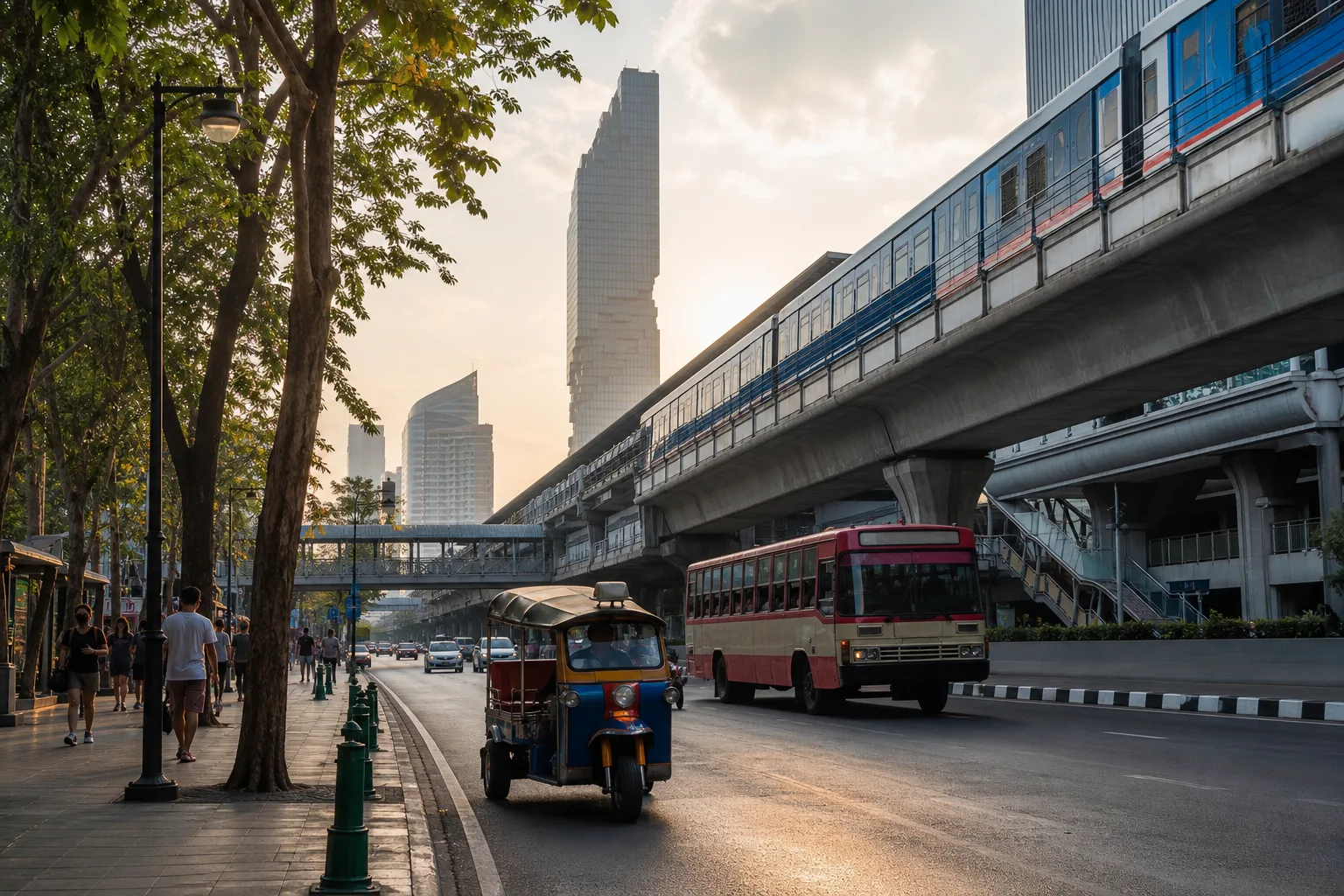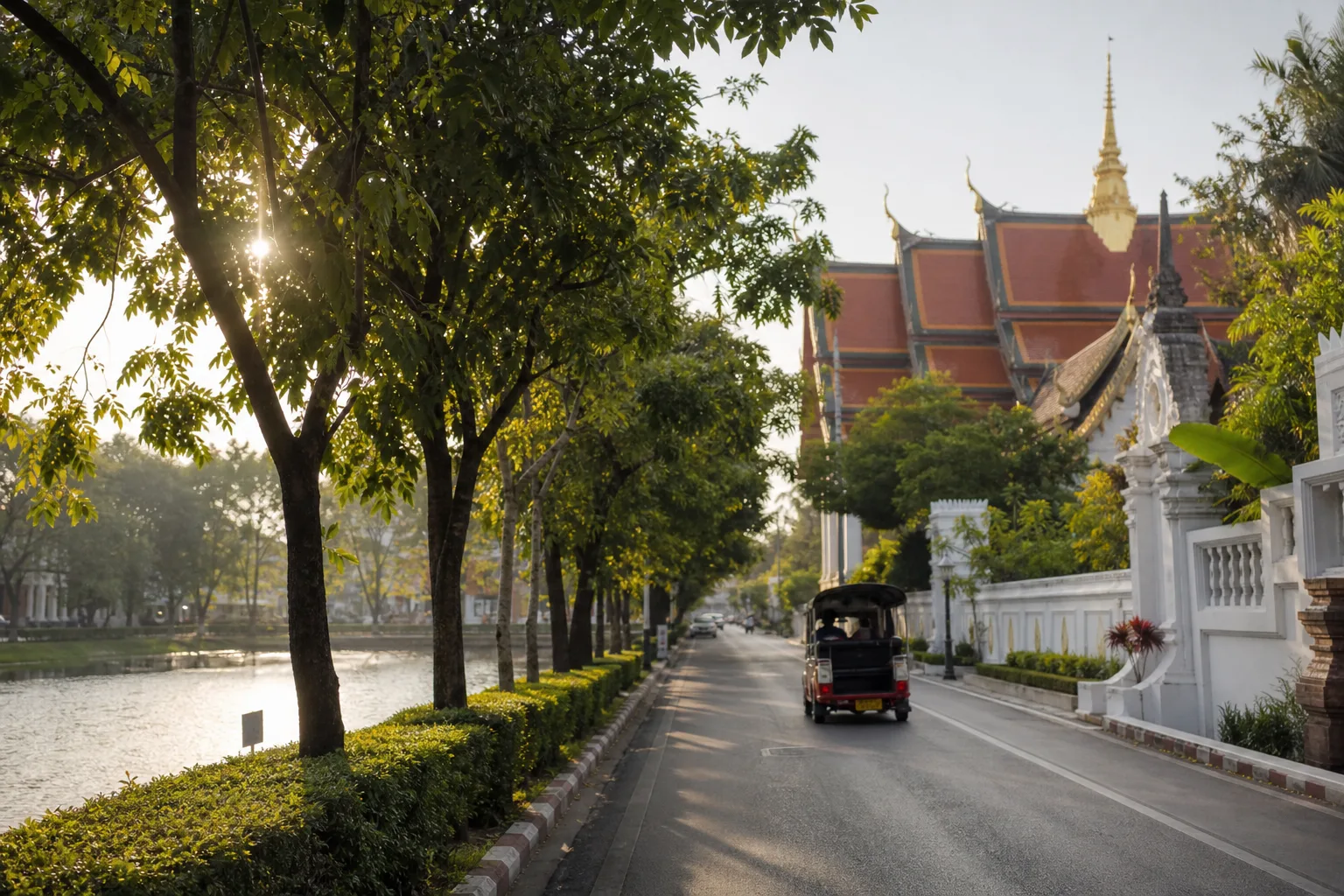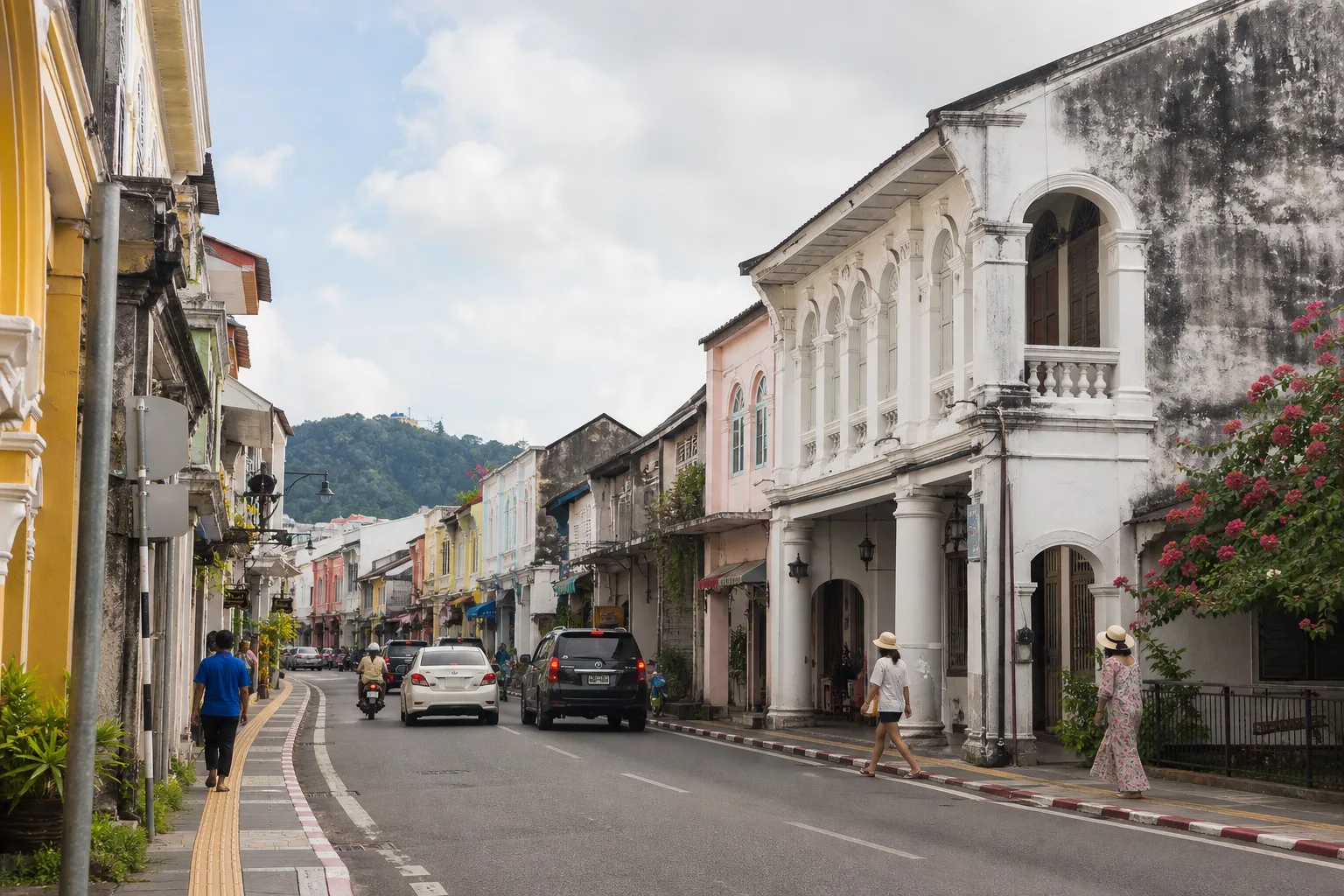
Bangkok
Bangkok street-food areas
Bangkok street-food areas works best with practical choices rather than a rushed checklist. This guide prioritises current information, flexibility and respect for local communities.
Understanding Bangkok’s Street-Food Landscape
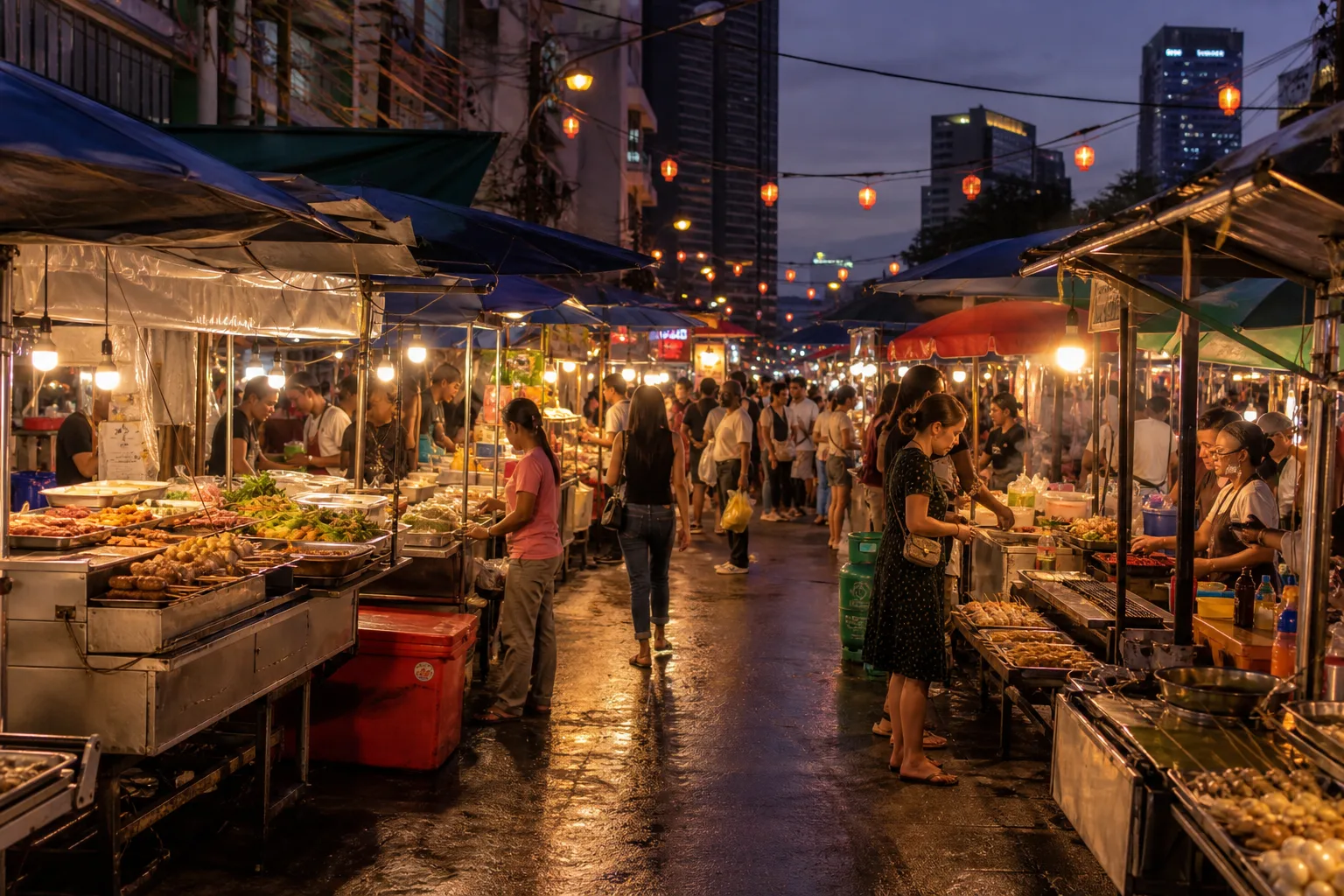
Bangkok’s street-food culture is not confined to a single strip or a handful of famous markets. It pulses through nearly every neighbourhood, from narrow sois in the old city to the concrete overpasses of modern commercial districts. Each zone evolves its own character: some excel at charcoal-grilled skewers and som tam pounded fresh to order, others become nocturnal hubs for wok-fried noodles and peppery soups. Recognising these differences helps you move beyond a random bite and plan a more satisfying route. The city’s municipal rules and vendor relocations mean that no area stays exactly the same from month to month, so a flexible mindset is essential.
Planning Your Visit to Street-Food Areas
Timing shapes the experience considerably. Lunch crowds gather near office blocks, while after-dark dining dominates in Chinatown and backpacker quarters. Many stalls operate cash-only, so carry small notes and coins. Walking is almost always the best way to explore a zone, so wear comfortable shoes and be ready for heat. Use the BTS Skytrain, MRT, or river boats to get within walking distance, then let your senses guide you. A paper map or offline phone map helps if you stray from well-trodden paths, because mobile data can be unreliable in dense alleyways. Keep in mind that opening days and hours shift with local holidays, weather, and vendor discretion.
Navigating the Major Street-Food Zones
The Yaowarat area, Bangkok’s Chinatown, fills with red-gold signage and sizzling woks as dusk falls. Seafood displays on ice, crispy pork belly, and ladles of herbal broth are common sights. Khao San and the surrounding sois cater to a budget-conscious crowd with a mix of Thai classics and hybrid snacks, often running late into the night. Sukhumvit’s lower-numbered sois host strings of compact carts offering grilled meats, fresh fruit, and made-to-order papaya salad, providing a quick pit stop between shopping centres. In the Rattanakosin old town, daytime vendors cluster near temple entrances, serving sweet crepes, chilled drinks, and simple rice dishes. Such areas each carry a distinct rhythm, and simply observing where locals queue can lead you to the most dependable plates without needing a name.
Etiquette and Respectful Behaviour
A smile and a slight bow go a long way. Wait patiently in line instead of calling out over others. When gesturing at dishes, use an open hand rather than a single finger. If you sit at shared tables, avoid placing your feet on empty chairs or pointing the soles of your shoes towards anyone. Dispose of skewers and plastic wrappers in the bins provided, even if they are tucked behind the cart. Vendors prepare food in tight spaces, so stand clear of their cooking zone. If you bring your own container, show it first and ask politely—not every vendor can accept it. Keeping noise levels low and not haggling over small amounts shows respect for the work behind each plate.
Health and Safety Considerations
Choose stalls with rapid turnover and food cooked to order, as ingredients sitting out for long periods in tropical humidity can spoil quickly. If you have a sensitive stomach, avoid raw seafood, undercooked eggs, and ice of uncertain origin. Bottled water is widely available and safer than tap water. Hand sanitiser is useful before and after eating, since not all spots have washing stations. Spice levels can be intense, so ask for a small taste or signal “little chilli” by saying a few words in Thai. Travel insurance that covers food-related illness is a sensible precaution. Be mindful that chilli pastes and sauces offered in communal containers may have been exposed to heat and dust.
Accessibility and Practical Limitations
Uneven pavements, sudden curbs, and narrow walking paths are the norm, making wheelchair access rare. Street-food stops seldom offer dedicated seating; you may eat perched on a low plastic stool or standing at a metal counter. Rainy-season downpours can flood low-lying lanes and cause temporary closures. Smoke from grills and heavy frying can affect air quality, challenging those with respiratory conditions. English-language menus are uncommon once you leave major tourist bubbles, so learning a few phrases or pointing at what others have ordered can bridge the gap. Most vendors do not accept credit cards, and mobile payment apps often require a local bank account.
Final Verification Checklist
Before setting out, confirm that your targeted zone is operating as usual. District clean-ups, footpath renovations, and vendor relocation orders can close sections for days or shift carts to new spots. Check official tourism authority pages or municipal announcements for the most recent street-food zoning updates. Verify whether the area has a regular closing day—some streets go quiet on Mondays or during national holidays. Review public transport connections, as certain streets become pedestrian-only after dark. Carry enough cash, a fully charged phone with an offline map, and the understanding that every detail is best reconfirmed with the venue or a local information point on the day you visit.
Keep exploring
About MyThai Editorial Team
Thailand-focused editors committed to practical, respectful and verifiable travel guidance.