Bangkok
Free and low-cost things to do in Bangkok
Free and low-cost things to do in Bangkok works best with practical choices rather than a rushed checklist. This guide prioritises current information, flexibility and respect for local communities.
Understanding Bangkok on a Small Budget
Bangkok rewards curiosity, not a thick wallet. The city’s cultural fabric, street life and river rhythms offer countless genuine experiences for visitors who plan around its many free and low-cost attractions. Whether you wander temple grounds at dawn, hop a river ferry or lose yourself in a market, a minimal budget can unlock a rich, memorable stay. This guide focuses on activities that cost little or nothing, with practical advice to help you navigate respectfully and safely.
Temple Grounds and Open-Air Sanctuaries
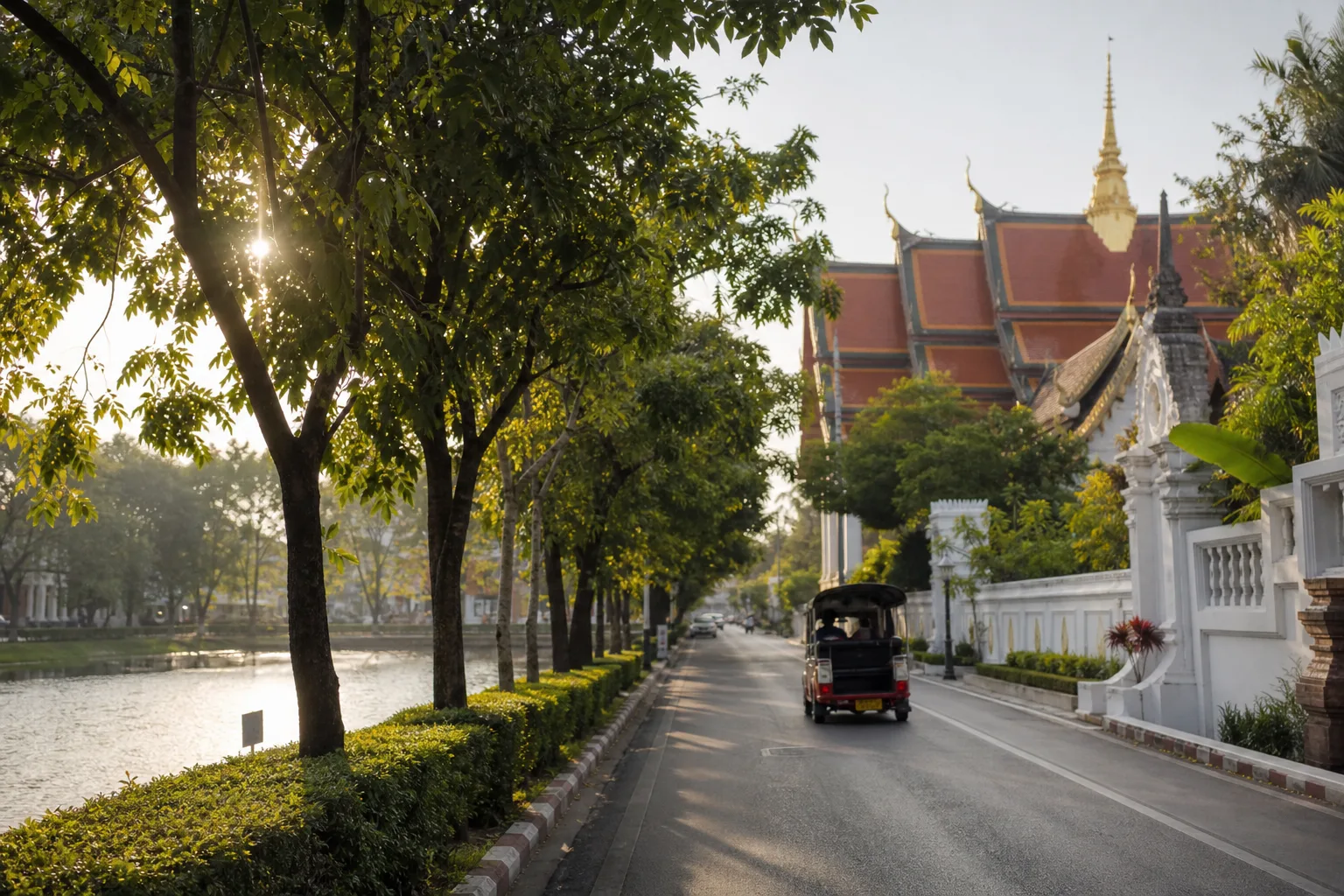
Dozens of ornate Buddhist temples welcome visitors to explore their outer courtyards, gardens and often serene pavilions without an admission fee. Many complexes only charge a small ticket if you wish to enter the main ordination hall or a specific museum. Dress modestly – shoulders and knees covered – and remove your shoes before stepping onto any sacred platform. Early morning visits bring cooler air and a quieter, more reflective atmosphere. Always check on-site signage; some sites now request a nominal foreign visitor contribution that may change, so confirm directly at the entrance.
Riverside Promenades and Ferry Adventures
The Chao Phraya River itself is a low-cost attraction. Public express boats and cross-river ferries cost just a few baht and let you soak in skyline views, passing glittering temples and historic neighbourhoods. Disembark anywhere to stroll riverside promenades and piers. The fragrant flower market near the water is free to wander and bursts with colour and local trade. Remember that boat platforms can be steep and slippery; take care when boarding and always let passengers exit first.
Parks and Urban Green Lungs
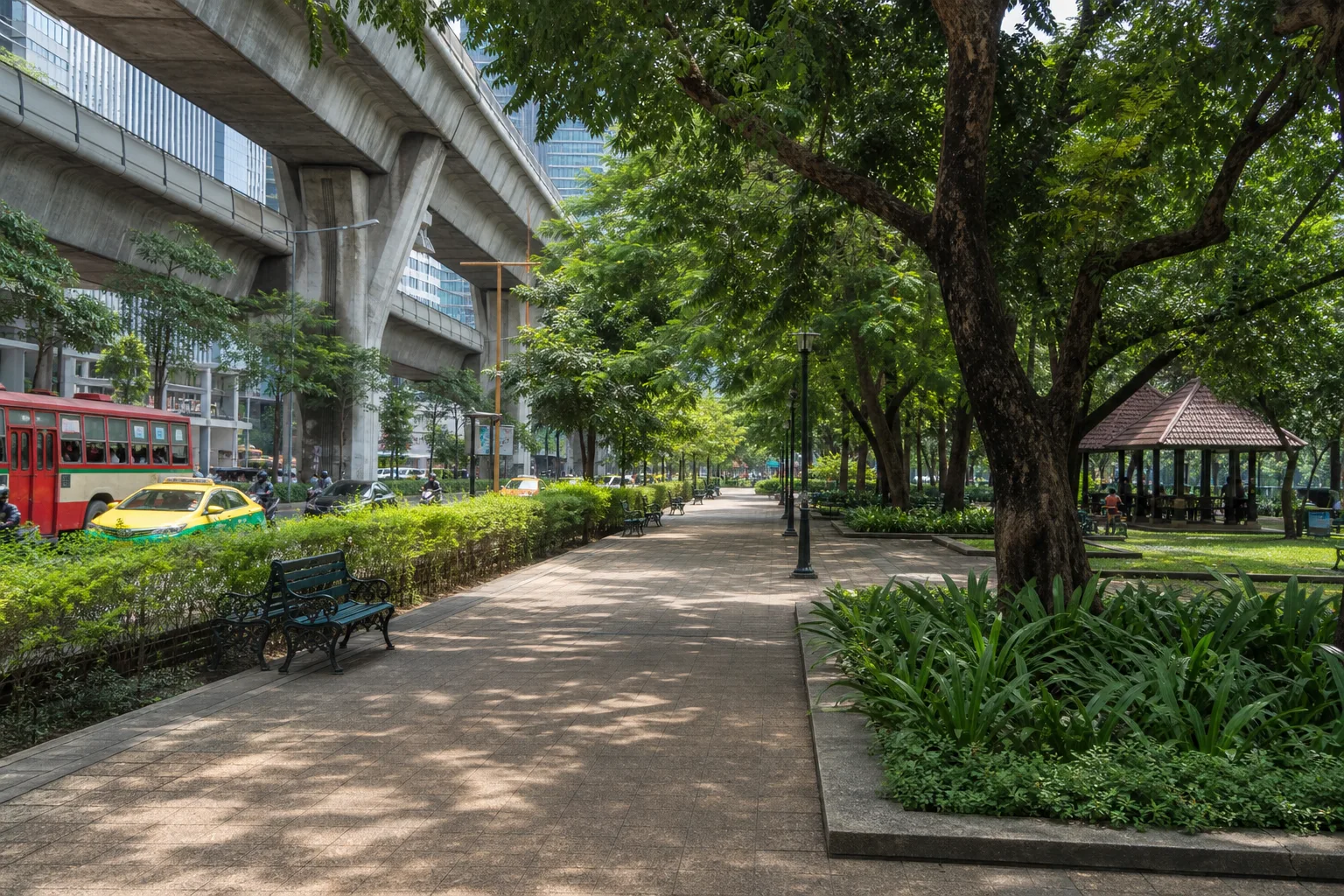
Bangkok’s large public parks are free, shaded escapes where locals jog, practise tai chi and picnic. You can paddle swan boats on artificial lakes for a tiny fee, but simply walking the paths costs nothing. Early mornings and late afternoons are the most comfortable times. Keep an eye out for the resident monitor lizards that bask near the water – observe them from a respectful distance. Most parks close at dusk, so plan your visit accordingly and confirm current opening hours.
Market Meanders Without the Spend
Simply walking through a wet market, weekend bazaar or night bazaar is entertainment in itself. The push-and-pull of bargaining, the dizzying aromas of street food, and the kaleidoscope of textiles and crafts create an overwhelming sensory experience. You need not buy anything; the chat and chaos are free. For low-cost eating, street stalls serve dishes for the price of a snack elsewhere. To avoid overcrowding, visit popular markets during weekday afternoons, and always secure your belongings in dense crowds.
Free Cultural Performances and Community Art
Some cultural centres run by public universities or local councils host free traditional dance, puppetry or music performances at set times, especially on weekends or public holidays. Community galleries and library exhibition spaces often showcase rotating art and photography without charge. These events are rarely advertised in tourist brochures; check noticeboards at public art spaces or ask at your accommodation’s front desk for schedules. Since programming changes frequently, verify the timetable before making a special trip.
Getting Around Affordably and Safely
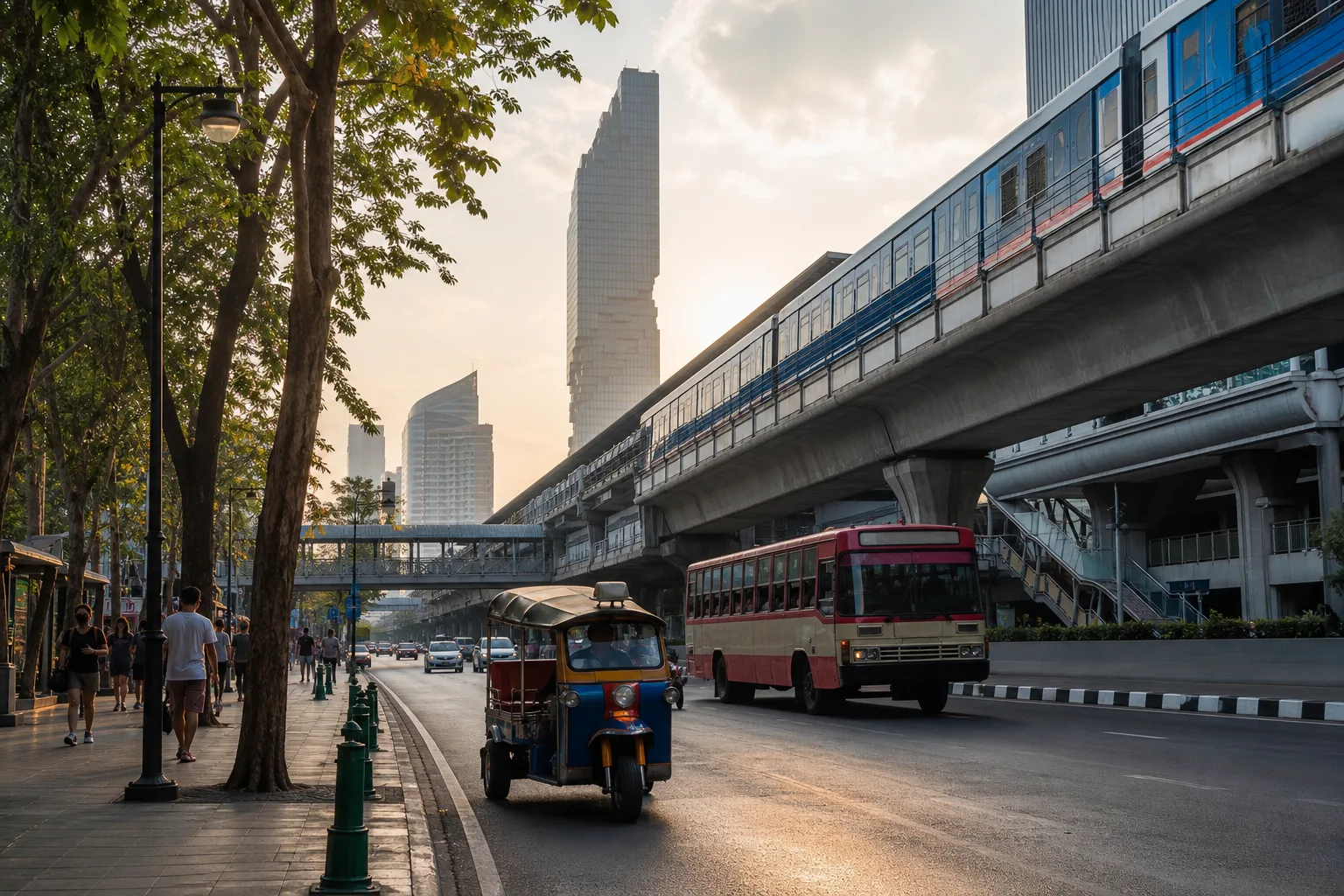
The BTS Skytrain and MRT subway are efficient and, for short hops, very cheap. Public buses push the budget even lower. The older, non-air-conditioned buses cost only a handful of baht but can be sweltering. Always carry small change. When using any transport, guard against pickpockets, particularly on crowded routes. If you are unfamiliar with the network, download an official public transport map from the transit authority’s website – these maps are free and regularly updated.
Respectful Encounters and Local Etiquette
A gentle demeanor goes a long way. Return a wai (a slight bow with palms pressed together) when greeted, but don’t initiate one with children or service staff unless they do first. Never touch anyone’s head and avoid pointing your feet at people or Buddha images. In temples, speak softly and do not obstruct worshippers. Avoid loud confrontations, as public displays of anger are deeply frowned upon. If you’re unsure about something, a calm smile and a polite question will almost always elicit help.
Final Planning Checklist
Before stepping out, verify a few essentials. Check the current operating status of any free exhibition, temple hall or park you plan to visit – closures for private ceremonies or public holidays happen. Confirm public ferry departure piers, as some have moved due to dock renovations. Dress codes at religious sites are strict: carry a light scarf or sarong in your bag just in case. Stay hydrated with bottled water from convenience stores rather than street vendors whose ice may not be filtered. Finally, let your accommodation know your intended route if you’ll be out after dark, and always use a trusted transport app if you need a taxi after midnight.
Keep exploring
About MyThai Editorial Team
Thailand-focused editors committed to practical, respectful and verifiable travel guidance.