Thailand
Finding authentic Thai street food safely and respectfully
Finding authentic Thai street food safely and respectfully works best with practical choices rather than a rushed checklist. This guide prioritises current information, flexibility and respect for local communities.
Understanding the Local Definition of Authenticity
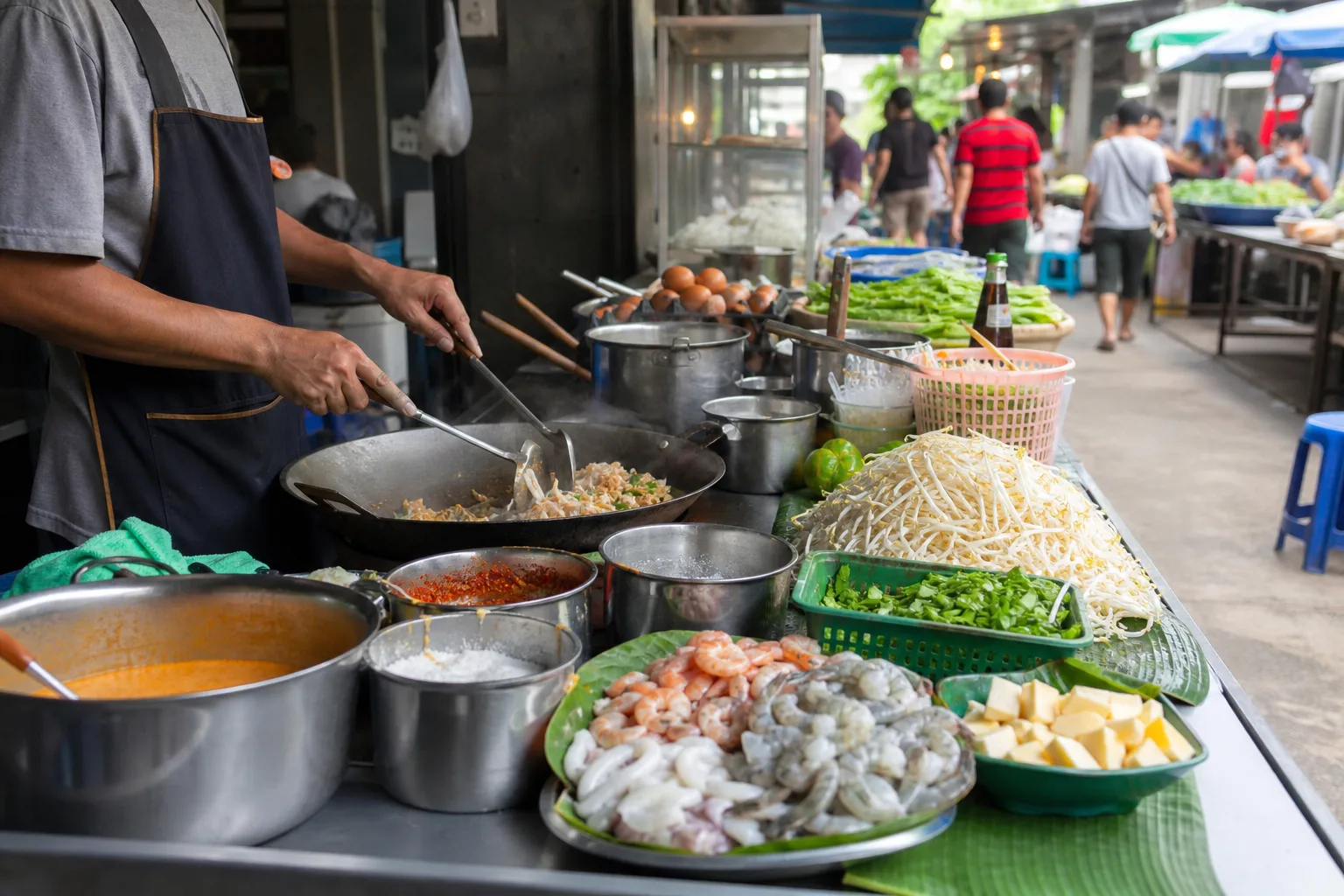
Authentic street food in Thailand is rarely about polished presentation. It is defined by dishes prepared in cramped shophouse lanes using recipes passed through generations, often with specialized woks seasoned over decades. A stall that focuses on only one or two items, such as boat noodles or charcoal-grilled pork skewers, usually signals mastery. The rhythm of a busy stall—a queue of office workers during lunch, the rapid assembly of plastic bags layered with condiments—indicates consistency and a high turnover of ingredients.
Timing Your Visit for Peak Quality
The best street food experiences align with local eating schedules. Morning markets typically operate from sunrise until mid-morning, offering freshly made rice porridge, soy milk, and grilled sticky rice snacks. Evening stalls activate as temperatures drop, usually from five in the afternoon until late. Visiting during standard meal times ensures that fried items are crispy and curries have not been sitting too long. Afternoons are often a dead zone when many vendors rest, making it important to plan exploration around these natural cycles rather than a continuous global snacking rhythm.
Locating Concentrated Eating Hubs
Instead of chasing isolated tourist recommendations, walk toward neighborhoods near fresh markets, transportation hubs, and universities. These areas serve communities that demand reasonable prices and diligent cooking. Look for clusters of plastic stools spilling onto sidewalks rather than stand-alone carts with empty seats. In larger cities, the loudest clue is often the sharp slapping sound of a pestle against a clay mortar, signaling som tam being made to order. Following local footsteps down secondary sois, away from the largest tourist anchor landmarks, usually leads to deeper domestic food cultures.
Essential Thai Language for Respectful Ordering
A handful of phrases transforms a transaction into a warm exchange. Greet the vendor with a smile and a soft "sawasdee kha" or "krub" according to your gender. Pointing and speaking English is part of daily tourist life, but knowing "phed mai" for asking if a dish is spicy shows care. Mentioning "aroi" after tasting acknowledges the cook’s effort. Using "khop khun" when receiving your plate or paying is standard politeness. The interaction is never purely a business exchange; it expresses gratitude for nourishing food.
Observing Hygiene and Food Safety Signals
Without glossing over risk, authentic street food safety is observable. A stall with a clean, organized working surface where raw meats are visibly separated from ready-to-eat ingredients indicates awareness. Watch for vendors who use tongs for money and different tools for food. The presence of a steady local crowd provides a form of community vetting. Opt for items cooked to order over pre-plated dishes sitting uncovered. Chilled ingredients stored visibly on ice, rather than left in the morning heat, are essential for seafood and meat skewers. Trust instincts; if a surface looks neglected, move on respectfully.
Navigating Dietary Requirements and Limitations
Vegetarian and vegan street food exists but the concept of hidden animal products differs from Western kitchens. Fish sauce and oyster sauce are base seasonings, and vegetable broths are often fortified with pork bone. Explicitly asking "jay" indicates strict Buddhist vegetarian food that excludes all animal products, garlic, and onion. Halal street food is concentrated and marked in specific Muslim communities. It is crucial to understand that a vendor unable to accommodate dietary needs is not being dismissive; their entire station, from wok to ladle, may already carry traces of excluded ingredients.
Final Verification Checklist Before Eating
Operational details shift frequently due to street cleaning schedules, informal rest days, and seasonal ingredient availability. Confirm that a stall is operating today by checking for recent social media activity from local food groups or community noticeboards rather than relying on dated guidebooks. Verify payment method, as many purveyors trade exclusively in cash. Observe the condiment setup; a busy tray with fresh herbs, chili in fish sauce, and roasted chili flakes usually points to pride in balance of flavor. Ultimately, street food discovery in Thailand rewards patience, visual curiosity, and the quiet acceptance that some of the most memorable meals emerge from the simplest metal tables on an unmarked corner.
Keep exploring
About MyThai Editorial Team
Thailand-focused editors committed to practical, respectful and verifiable travel guidance.